Preventing, detecting and treating the leading cause of maternal mortality
Sexual and Reproductive Health and Research (SRH)
Including the Human Reproduction Special Programme (HRP)
Postpartum haemorrhage
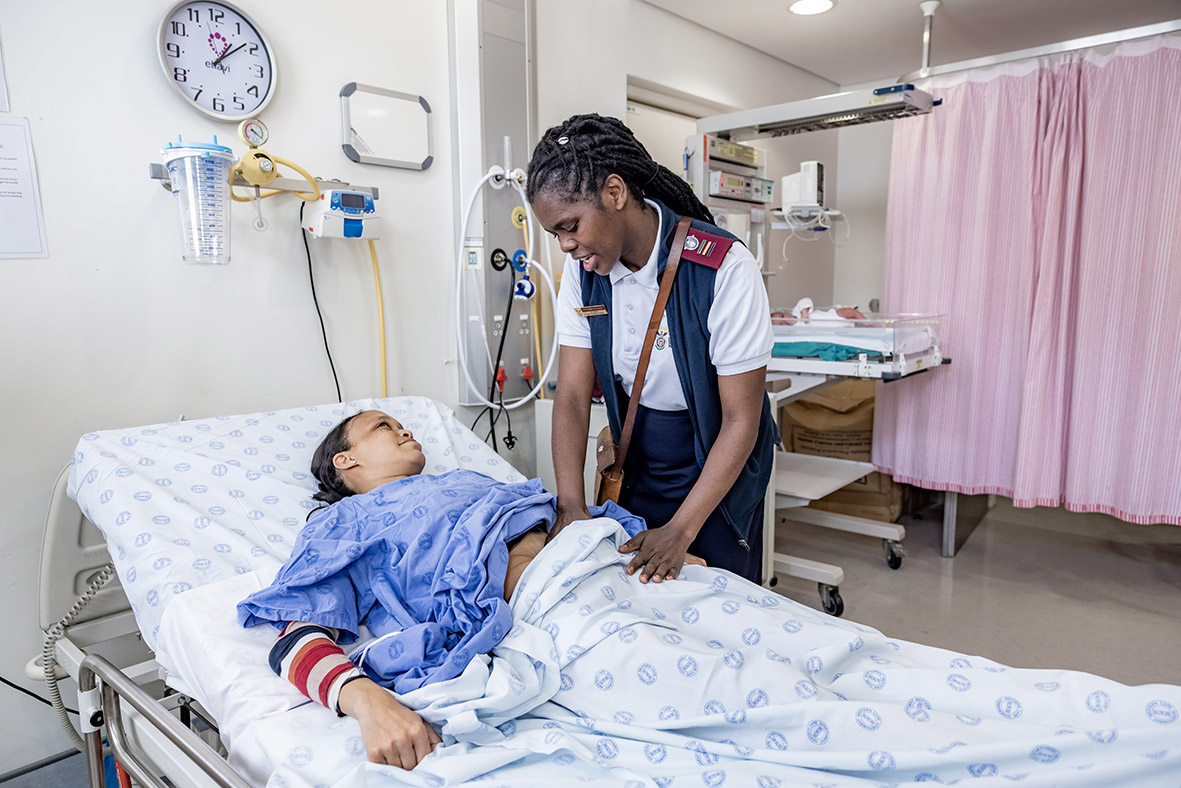
Severe bleeding after childbirth - postpartum haemorrhage (PPH) - is the leading cause of maternal mortality world-wide. Each year, millions of women experience PPH, resulting in about 70,000 maternal deaths globally.
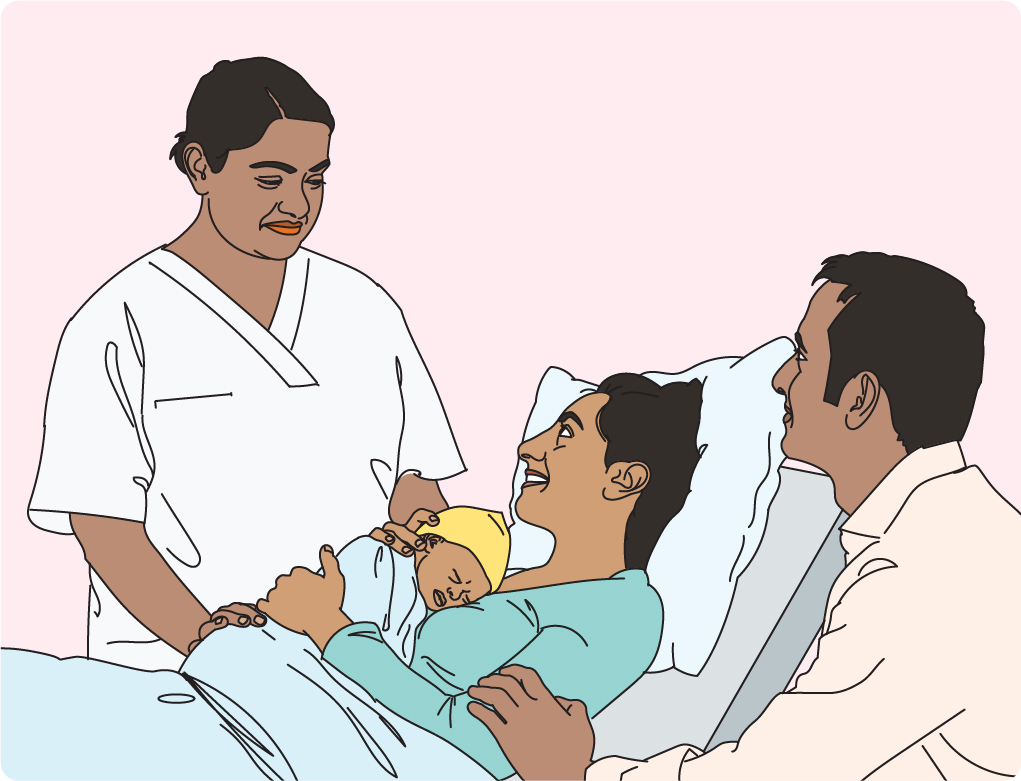
Even when women survive, they often need urgent surgical interventions to control the bleeding and may be left with lifelong reproductive disability.
11 October 2023
A roadmap to combat postpartum haemorrhage between 2023 and 2030
In recognition of the growing need for global action to improve PPH prevention and care, the World Health Organization (WHO) worked together with key stakeholders...
Initiative
Training materials
Course on prevention, early diagnosis and treatment of postpartum haemorrhage
News
Feature story
Publications
These consolidated guidelines focus on the care of women during pregnancy, childbirth and the immediate postpartum period in any health care setting.
WHO recommendation on uterine balloon tamponade for the treatment of postpartum haemorrhage
WHO recommendation on routes of oxytocin administration for the prevention of postpartum haemorrhage after vaginal birth
WHO recommendation on umbilical vein injection of oxytocin for the treatment of retained placenta
WHO recommendations: uterotonics for the prevention of postpartum haemorrhage
WHO recommendation on tranexamic acid for the treatment of postpartum haemorrhage
WHO recommendation on tranexamic acid for the treatment of postpartum haemorrhage – Highlights and Key Messages
Journal articles
Project briefs