Principles for Implementing the Declaration on Explosive Weapons in Populated Areas
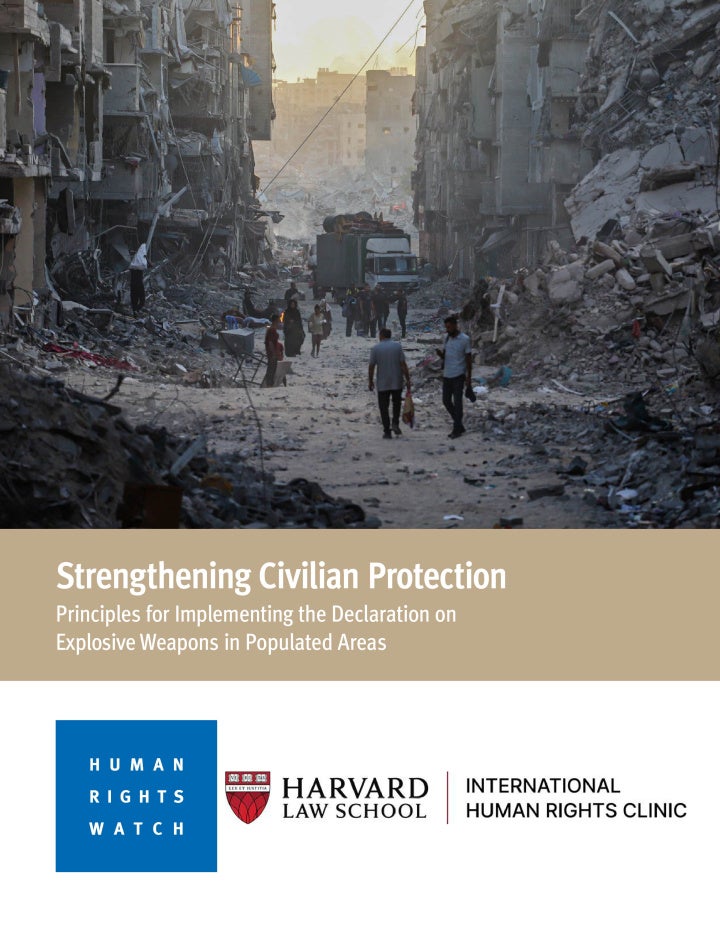
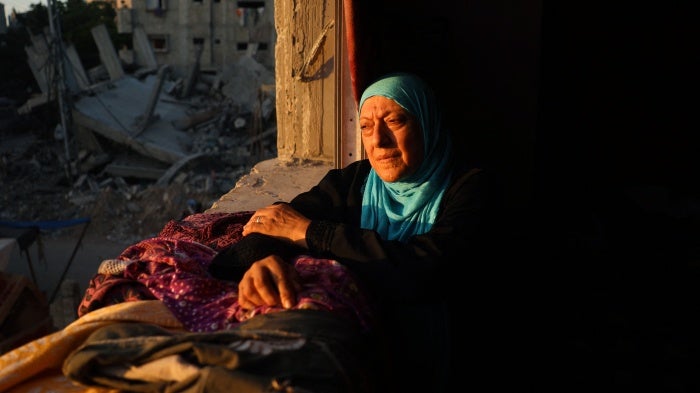
The 37-page report, “Strengthening Civilian Protection: Principles for Implementing the Declaration on Explosive Weapons in Populated Areas,” introduces seven guiding principles to help countries that have endorsed the Political Declaration on the Use of Explosive Weapons in Populated Area put their commitments into practice. Civilians make up the vast majority of casualties caused by the use of explosive weapons—such as aerial bombs, rockets, missiles, and artillery and mortar projectiles—in populated areas. Explosive weapons also turn urban areas into rubble, destroy infrastructure, and damage the environment and cultural heritage.
Child Soldiers and Unaccompanied Boys in Southern Sudan
This report focuses on the use of child soldiers by the rebel Sudan People’s Liberation Army. The government’s ill treatment of children is described in another report (see 1290). The use of child soldiers bodes ill for the future of the country. Boys as young as 11 have been recruited to fight in Sudan’s civil war.
Gross human rights violations continue in Sudan five years after a military coup overthrew the elected civilian government in June 30, 1989, and brought to power a military regime dominated by the National Islamic Front (NIF), a minority party that achieved only 18.4 percent of the popular vote in the 1986 elections.1 The Sudanese have suffered under military rule and single-party dictatorship for
Violations of the Laws of War by All Parties to the Conflict
In the course of less than a year, Liberia has become a human rights disaster. Over half its population has been displaced from their homes, including over 500,000 who are refugees in West Africa. All parties to the conflict have committed grave abuses of human rights against civilians, violating the humanitarian standards governing non-international armed conflict.