Haiti: Criminal Violence, Hunger Trapping Children
Hundreds, if not thousands, of children in Haiti, driven by hunger and poverty, have joined criminal groups, where they are forced into illegal activities and face abuse.
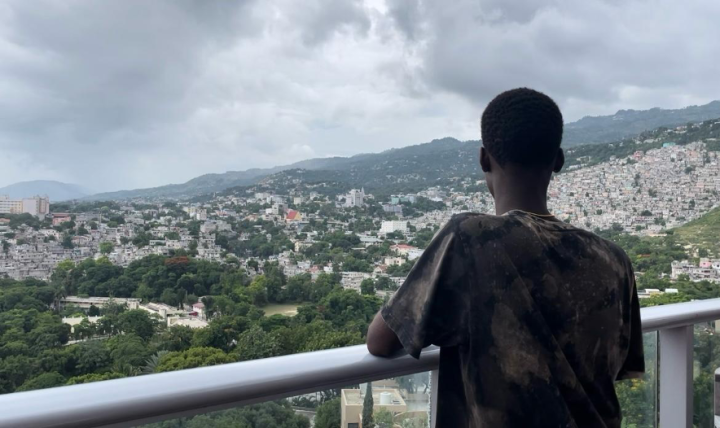
Hundreds, if not thousands, of children in Haiti, driven by hunger and poverty, have joined criminal groups, where they are forced into illegal activities and face abuse.

The 131-page report, “They Are Destroying Our Future: Armed Separatist Attacks on Students, Teachers, and Schools in Cameroon’s Anglophone Regions,” documents scores of education-related attacks by armed separatist groups in the English-speaking North-West and South-West regions between March 2017 and November 2021. The groups have killed, beaten, abducted, threatened, and terrorized students and education professionals; harassed and intimidated families into keeping their children out of school; and burned, destroyed, damaged, and looted school buildings.
The 69-page report, “‘You Have No Right to Complain’: Education, Social Restrictions, and Justice in Taliban-Held Afghanistan” focuses on the everyday experiences of people living in Taliban-held districts and Taliban restrictions on education, access to information and media, and freedom of movement. The Taliban’s widespread rights abuses in areas it controls raise concerns about their willingness and ability to keep commitments on rights in any future peace agreement
This report contains examples of law and practice from 50 countries, from Afghanistan to Yemen, that provide some level of protection for schools or universities from military use. Many of the examples come from countries currently or recently involved in armed conflict.
Based on research in the region, satellite imagery analysis and video analysis, this report found that both government forces and armed separatists have abused civilians in the western part of the country, displacing over 180,000 people since December 2017. Anglophone separatists have extorted, kidnapped and killed civilians, and prevented children from going to school. In response to protests and violence by armed separatists, government forces have killed civilians, used excessive force against demonstrators, tortured and mistreated suspected separatists and detainees, and burned hundreds of homes in several villages.
This report is based on 48 interviews with teachers, students, parents, and school administrators in the Pakistani provinces of Punjab, Sindh, and Khyber Pakhtunkhwa (KP). It documents attacks by militants from January 2007 to October 2016 that have destroyed school buildings, targeted teachers and students, and terrorized parents into keeping their children out of school. These attacks have often been directed at female students and their teachers and schools, blocking girls’ access to education. The report also examines occupation of educational institutions by security forces, political groups, and criminal gangs.

This report contains examples of law and practice from 40 countries, from Afghanistan to Yemen, instituting some level of protection for schools or universities from military use. Many of the examples come from countries currently or recently involved in armed conflict, indicating that governments and armed forces are recognizing the negative consequences of military use of schools and have found practical solutions to deter such use. Examples of these measures can be found throughout the world, in legislation, court decisions, and military policies and doctrine. Governments should adopt and follow protections for schools, Human Rights Watch said.
This report documents the occupation and other military use of schools by state forces and the Taliban in Baghlan province in northeastern Afghanistan. It is based on interviews with more than more than 20 school principals, teachers, and administrators, as well as local families affected by the conflict. As school districts across Afghanistan increasingly find themselves on the front lines of the country’sarmed conflict, students risk their lives at schools being used by soldiers which may become military targets, or are deprived of an education until facilities are found elsewhere.

This report documents the arrest and detention of children for alleged association with non-state armed groups or involvement in conflict-related offenses. Overbroad and vague counterterrorism legislation adopted in response to extremist armed groups such as the Islamic State and Boko Haram has increased the detention of children perceived to be security threats. Human Rights Watch specifically examined the detention and treatment of children in Afghanistan, the Democratic Republic of Congo, Iraq, Israel/Palestine, Nigeria, and Syria.
This report documents the important steps Lebanon has taken to allow Syrian children to access public schools. But Human Rights Watch found that some schools have not complied with enrollment policies, and that more donor support is needed for Syrian families and for Lebanon’s over-stretched public school system. Lebanon is also undermining its positive education policy by imposing harsh residency requirements that restrict refugees’ freedom of movement and exacerbate poverty, limiting parents’ ability to send their children to school and contributing to child labor. Secondary school-age children and children with disabilities face particularly difficult obstacles.

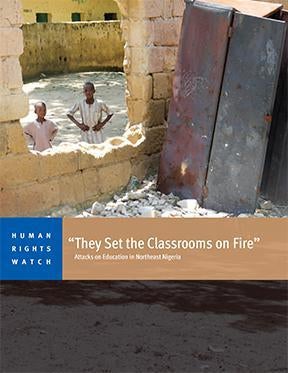
This report documents Boko Haram’s increasingly brutal assaults on schools, students, and teachers since 2009 in Borno, Yobe, and Kano states. Between 2009 and 2015, Boko Haram’s attacks destroyed more than 910 schools and forced at least 1,500 more to close. At least 611 teachers have been deliberately killed and another 19,000 forced to flee. The group has abducted more than 2,000 civilians, many of them women and girls, including large groups of students.
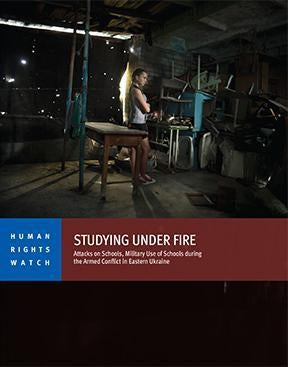
This report documents how both Ukrainian government forces and Russia-backed militants have carried out indiscriminate or deliberate attacks on schools. Both sides have used schools for military purposes, deploying forces in and near schools, which has turned schools into legitimate military targets. The resulting destruction has forced many children out of school and many schools to stop operating or to operate under overcrowded and difficult conditions, Human Rights Watch found.
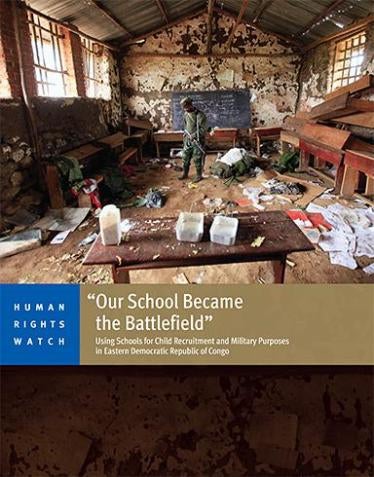
This 58-page report documents how armed groups have attacked schools and recruited children at school or while on their way to school. Armed groups and the Congolese army have also taken over schools for military purposes. Many children and parents told Human Rights Watch that fear of being abducted or raped kept students from attending school.