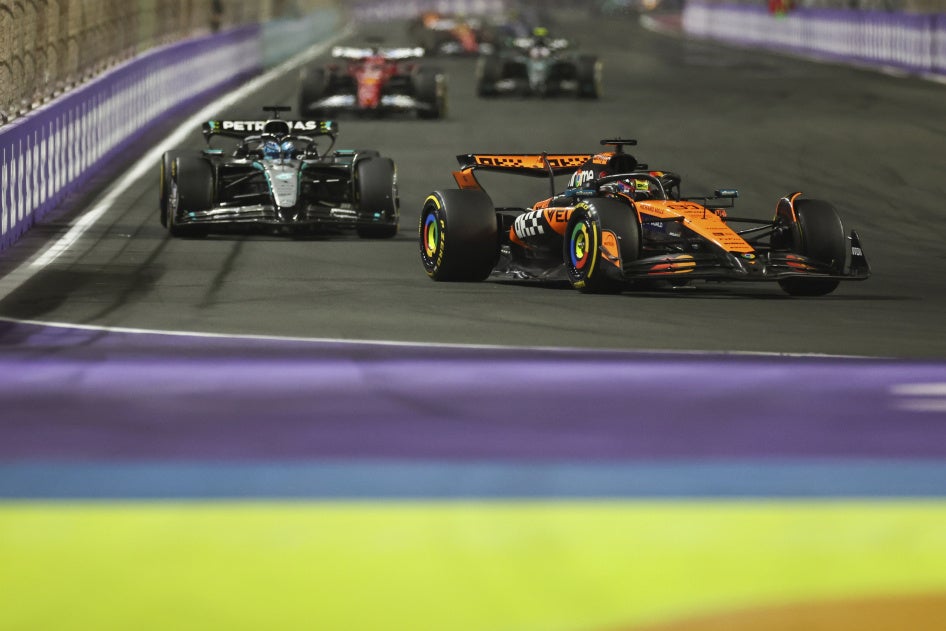
The International Automobile Federation (Fédération Internationale de l’Automobile, or FIA), the international body governing motor sports, including Formula1, held its annual General Assemblies last week in Tashkent, Uzbekistan.
At the General Assemblies, the federation presented Uzbekistan as the “star of the east,” seemingly without a single reference to Uzbekistan’s deeply problematic human rights record. In recent years, Uzbek authorities have increasingly stifled human rights activism and freedom of expression, targeting activists, bloggers, and others with unfounded criminal and administrative charges. Despite United Nations experts calling for his immediate release, Karakalpak activist and lawyer Dauletmurat Tazhimuratov is languishing in prison, serving a wrongful 16-year prison sentence, his allegations of ill-treatment and torture ignored by authorities.
The FIA’s statutes instruct it to “promote the protection of human rights and human dignity,” while its Code of Ethicsaffirms its “responsibility to safeguard the integrity and reputation of motor sport.” Promoting and conducting business with a country without conducting a human rights impact assessment is risky. Doing so may breach the FIA’s regulations and leave a lasting stain on motor sports.
The UN Guiding Principles on Business and Human Rights set out how businesses should implement policies and conduct due diligence in regards to their impact on human rights. Such due diligence should include the risk of laundering the reputations of governments, businesses, or individuals responsible for ongoing or recent serious rights abuses.
Human Rights Watch has previously raised rights concerns in connection with FIA and Formula 1 activities in Azerbaijanand Saudi Arabia, where abusive governments have used motor sports to whitewash their reputations.
Prior to the assemblies in Tashkent, Human Rights Watch asked the FIA and Formula 1, who adopted a commitment to respect human rights, their plans to discuss rights issues during the assemblies and the type of due diligence they conduct. We received no response.
FIA President Mohammed Ben Sulayem, recently re-elected for a second term, should seize this opportunity to take much stronger human rights actions in Uzbekistan and globally. The federation should use its influence with governments to urge rights reforms and roll out comprehensive due diligence to identify and remedy any adverse rights impact of its activities and ensure that motor sports continue to “drive society forward.”